FRANCIS BERNARD, NEW JERSEY’S FORGOTTEN GOVERNOR SOCIAL MEDIA HISTORY SERIES
The Mr. Local History Project hopes you’ve been following our Facebook series honoring the life of New Jersey Royal Governor Sir Francis Bernard, named for the towns of Bernards Township and Bernardsville, New Jersey. Bernard’s career in the colonies lasted just over 11 years, from his landing in Perth Amboy on June 14, 1758, to his departure from Boston on Tuesday, August 1, 1769. The series focuses mostly on his time in New Jersey, but we are also researching his early life in England. Royal Governor Bernards served New Jerseyans from 1758 to 1760.
We’d like to thank everyone who is participating with their research time and support. Our researchers are performing a deep dive on the life of Sir Francis Bernard, the English Royal Governor, after whom Bernards Township and Bernardsville, New Jersey, are named. There are many blank spots that we hope to clarify alongside scholars from the NJ Archives, researchers from the UK, and the living Bernards family.
on the Mr. Local History Project’s Facebook Page.
Francis Bernard was born in Brightwell, Berkshire, UK in June or July 1712 and was the only child of Rev. Francis Bernard and Margery Winlowe. His father died before he was three years old. His mother, Margery, married Rev. Anthony Alsop, who became his stepfather and helped raise young Francis. Margery died three years later in 1718 of smallpox. Francis would have been just six years old. His Aunt, Sarah Terry, did her best to help raise Francis.
FRANCIS BERNARD, NEW JERSEY’S FORGOTTEN GOVERNOR SERIES – Fact #1
Meet Amelia Offley Bernard, the wife of Francis Bernard. Married in Lincoln, UK, in December 1741. It would be Prime Minister Thomas Pelham Holles, the duke of Newcastle, Barrington, Amelia Bernard’s cousin, who would later petition for Francis Bernard to be selected as the colonial Governor of New Jersey. The two would have 10 children and be a major reason why Francis Bernard sought higher-paying employment.
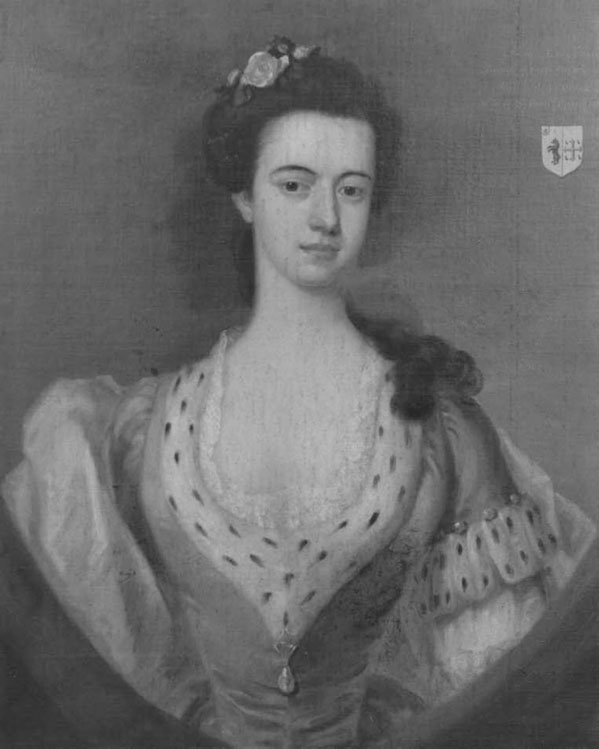
Image Credit: Robert Spencer Bernard
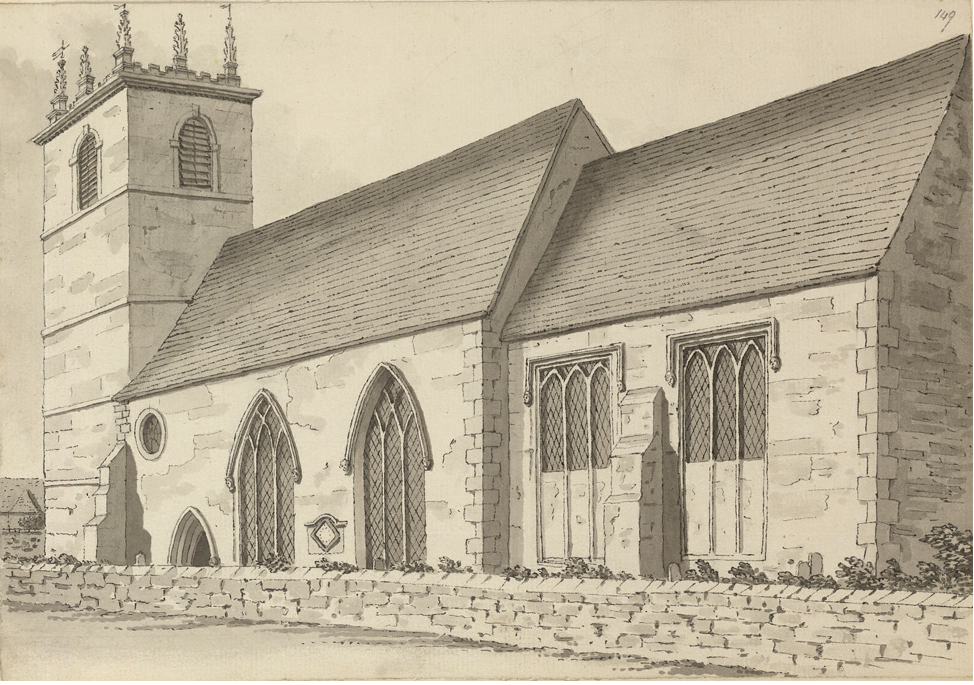
Amelia Offley of Norton Hall, Derbyshire, was the niece of John Shute, first Viscount Barrington, and cousin of William Wildman, second Viscount Barrington (1717–1793), secretary at war, 1755–61, 1765–78; chancellor of the exchequer, 1761–2; and postmaster general, 1782. Namier and Brooke, House of Commons, ii, 55–9. The two were married for 37 years until Francis’s death in 1779. The two were likely married in 1741 at St. Martins Church one of the last surviving churches in the area. Research continues to gather the marriage record or other verifiable documentation.
FRANCIS BERNARD, NEW JERSEY’S FORGOTTEN GOVERNOR SERIES – Fact #2
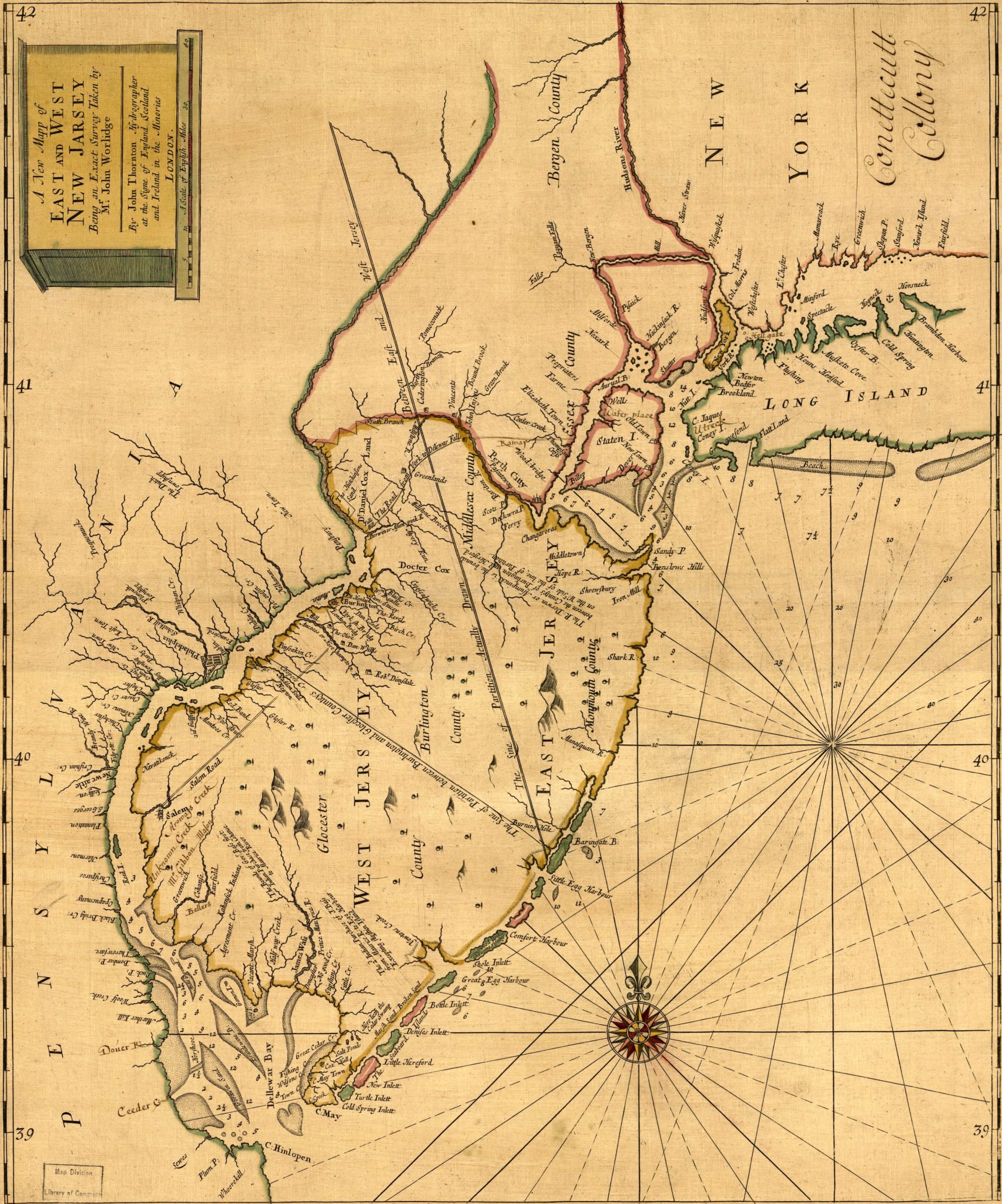
The Province of New Jersey, or Nova Caesarea (the name Caesarea has been used as the Latin name for Jersey), is actually named not only for the Isle of Jersey in the UK’s English Channel, but also for the great Roman Emperor who was known as the new land of Caesar, or what was known as Nova Caesarea. One other interesting note about the name Jersey – the “ey” at the end is from the Vikings, meaning “island.”
New Jersey was noted as one of the “Middle Colonies” of Colonial America and became the U.S. state of New Jersey in 1776. The province had originally been settled by Europeans as part of New Netherland but came under English rule after the surrender of Fort Amsterdam in 1664, becoming a proprietary colony. In 1665, Philip Carteret became the first governor of New Jersey, appointed by the two proprietors. The English renamed the province after the island of Jersey in the English Channel. Somerset County was named after Somersetshire, England, and was set off from Middlesex County in 1688. The East and West sections of Jersey would become the Province that Francis Bernard would govern from 1758-1760.
FRANCIS BERNARD, NEW JERSEY’S FORGOTTEN GOVERNOR SERIES – Fact #3
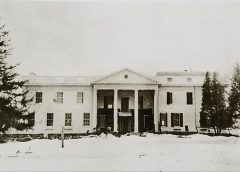
Many wonder what Francis Bernard gave up to make the journey to the colonies to become the Governor of New Jersey. After being married in 1741, Amelia and Francis likely resided at Nettleham Hall in Nettleham, just north of Lincoln, Lincolnshire, for 16 years until 1758. Many signs indicate that Francis worked in Lincoln, where he served in several legal roles before seeking a higher-paying job to support his family. That job ended up coming true for him in 1758, when Francis Bernard was appointed to the position of the Provincial Governor of New Jersey.
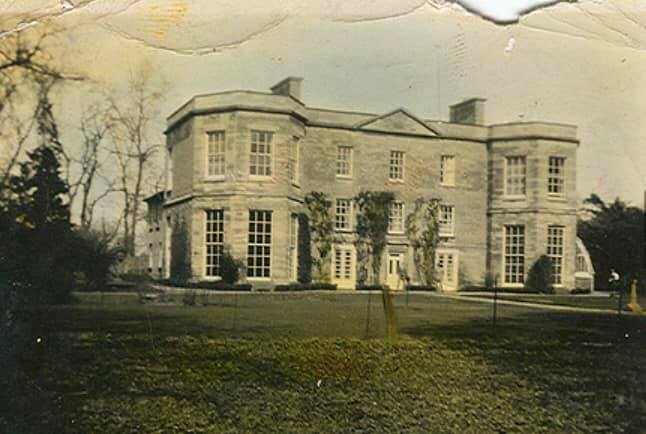
We’ve created a research map to identify key areas of Sir Francis Bernard’s life. Nettleham Hall was ravaged by fire in 1937 and has been abandoned ever since.
FRANCIS BERNARD, NEW JERSEY’S FORGOTTEN GOVERNOR SERIES – Fact #4
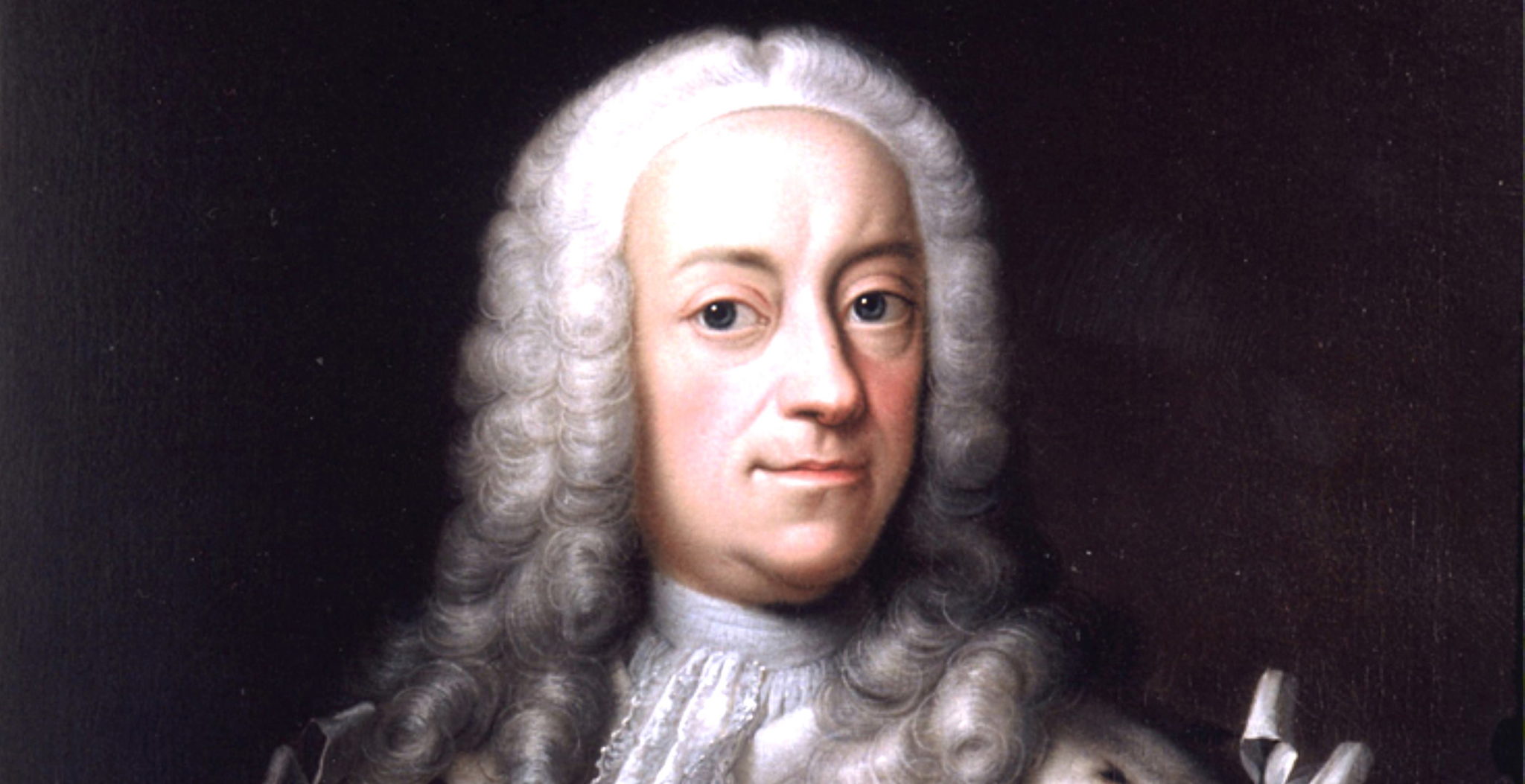
In June 1727, King George II’s father King George I died in Hanover, Germany, and George succeeded him as king. His first step as king was his refusal to attend his father’s funeral in Hanover, which won him high praise back in England for showing his loyalty to Britain.
Prince Frederick had predeceased him nine years earlier, and so the throne passed to his grandson, King George III. Through Bernard’s connection with Prime Minister Thomas Pelham Holles, the duke of Newcastle, Barrington (his wife’s cousin) was able to obtain for Bernard the governorship of New Jersey. Bernard was appointed governor on January 27, 1758 despite having no prior experience as a diplomat.
As Britain ascended the ranks in the international sphere of power, George’s health declined, and on October 25, 1760, he died at the age of seventy-six, just months after George II approved the appointment of Francis Bernard from Governor of New Jersey to Governor of Massachusetts. He would serve the province of New Jersey for just 18 months. He was almost made Colonial Governor of Jamaica in the West Indies, but Massachusetts Bay was approved by the Privy Council on November 27, 1759, and officially signed on March 18, 1760. Bernard did not arrive in Boston until August 2, 1760.
FRANCIS BERNARD, NEW JERSEY’S FORGOTTEN GOVERNOR SERIES – Fact #5
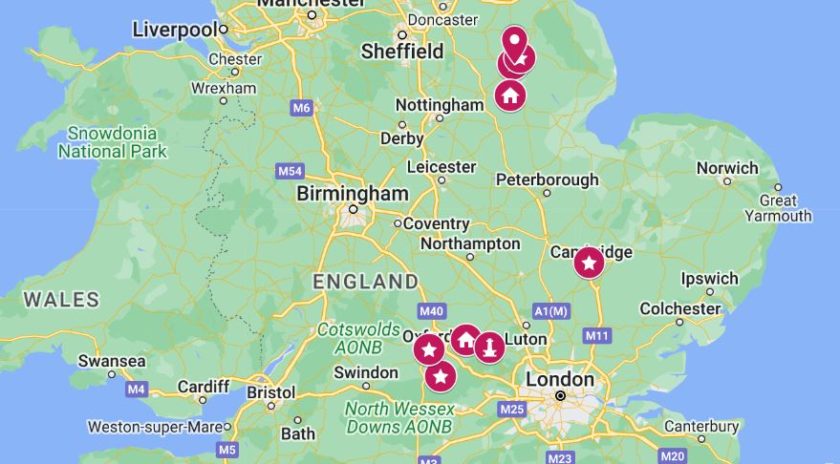
Check out the Mr. Local History Project’s interactive Google Map of key events and notable areas of the life of Francis Bernard, the provincial Governor of New Jersey. As our research evolves, we will post additional information, photos, or facts to the map and in additional stories about Bernard and his life.
FRANCIS BERNARD, NEW JERSEY’S FORGOTTEN GOVERNOR SERIES – Fact #6
The Provincial Governor Francis Bernard arrived from the ferry in Perth Amboy, New Jersey, on Wednesday, June 14, 1758. They made their journey to the colonies from King George II’s ship, the HMS Terrible. Francis travelled with his wife Amelia and only 4 of his 7 children. Francis Elizabeth (1), William (2), Amelia (4), and Shute (6) traveled with their parents to the colonies. John (12), Jane (11), and Thomas (7) remained in England. Although it was written that there were several residences for the Governor, Perth Amboy was his main residence, as the Assembly regularly gathered there.
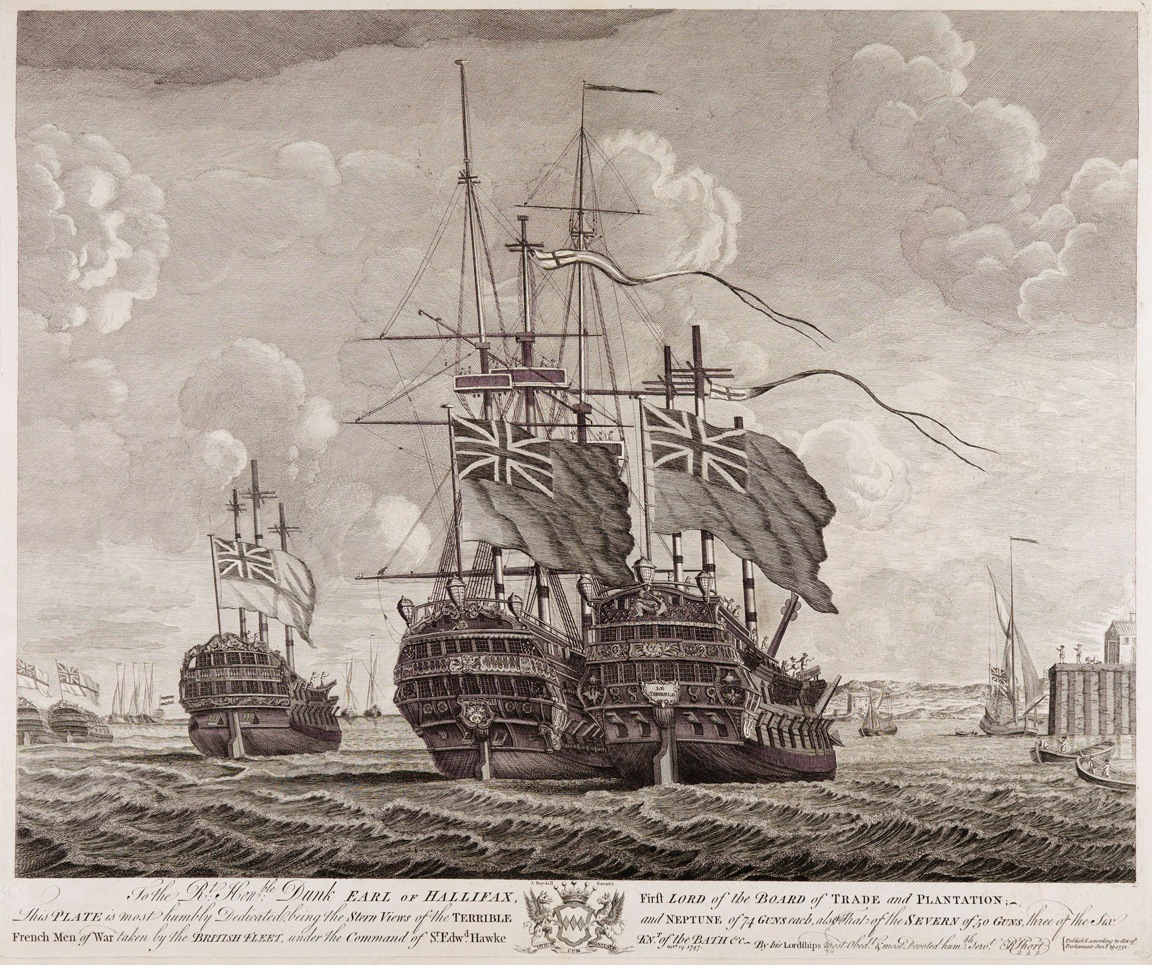
Image source: Wikipedia
FRANCIS BERNARD, NEW JERSEY’S FORGOTTEN GOVERNOR SERIES – Fact #7
Treaty of Easton – Francis Bernard negotiates a settlement with several Native American tribes from the northwest corner of the eastern and western provinces of New Jersey. Bernard recognized that the attacks on the settlers in the region were destabilizing the region and were a continuation of the French and Indian War.
Upon the settlement, named the Treaty of Easton, a ceremonial event in which both parties participated in “Bury the Hatchet” ceremonies and shared a “peace pipe” after the agreement was made. YES, an actual hatchet was buried as part of the agreement’s confirmation. The treaty formally relinquished all claims to the lands constituting the northern portion of the province of New Jersey, in exchange for 1000 Spanish pieces of eight.
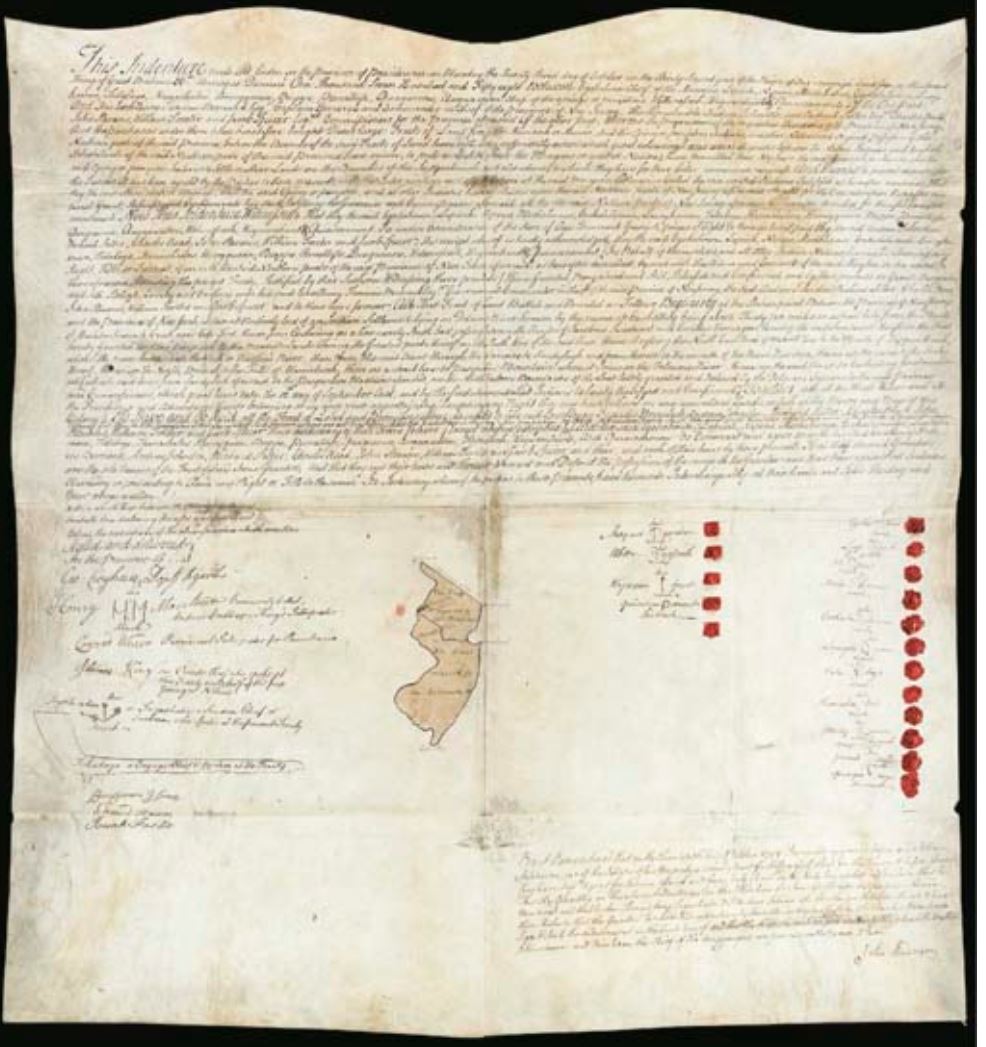
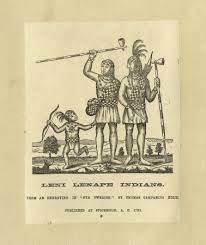
The treaty at Easton, in Pennsylvania, in October 1758 was held by William Denny, governor of Pennsylvania, and Francis Bernard, the governor of New Jersey, and the great Oneida orator Thomas King; with the chief sachems and warriors of the Mohawks, Oneydos, Onondagas, Cayugas, Senecas, Tuscaroras, Tuteloes, Nanticokes and Conoys, Chugnuts, Delawares, Unamies, Mohickons, Minisinks, and Wapings (Lenni Lenape).
In February 1759 the Board of Trade recognized the treaty “with greatest satisfaction.” Houses would be built in an experimental town called “Brotherton”, New Jersey, a follow-up that was part of the treaty. Brotherton Indian Reservation was the only Indian reservation in New Jersey and the first in America, founded for the Lenni Lenape tribe. While many Lenapes chose to leave New Jersey, a few who had converted to Christianity stayed. In 1802, near present-day Indian Mills in Burlington County, most of the men and women from Brotherton left New Jersey to join the Oneidas, while a few stayed behind and were integrated into the white community.
Read the entire Treaty of Easton transcript – Click Here
Sidebar History:
As we were researching Bernard’s accomplishment at Easton, we also learned that the First Peace Medal Issued in America came from the Historic “Treaty of Easton,” also referred to as the “Duffield” Indian Peace Medal of George II, Struck in Philadelphia by Joseph Richardson, Sr. The image below is the only known example with its Silver Top Loop Intact. The medal sold at auction for over $100,000.
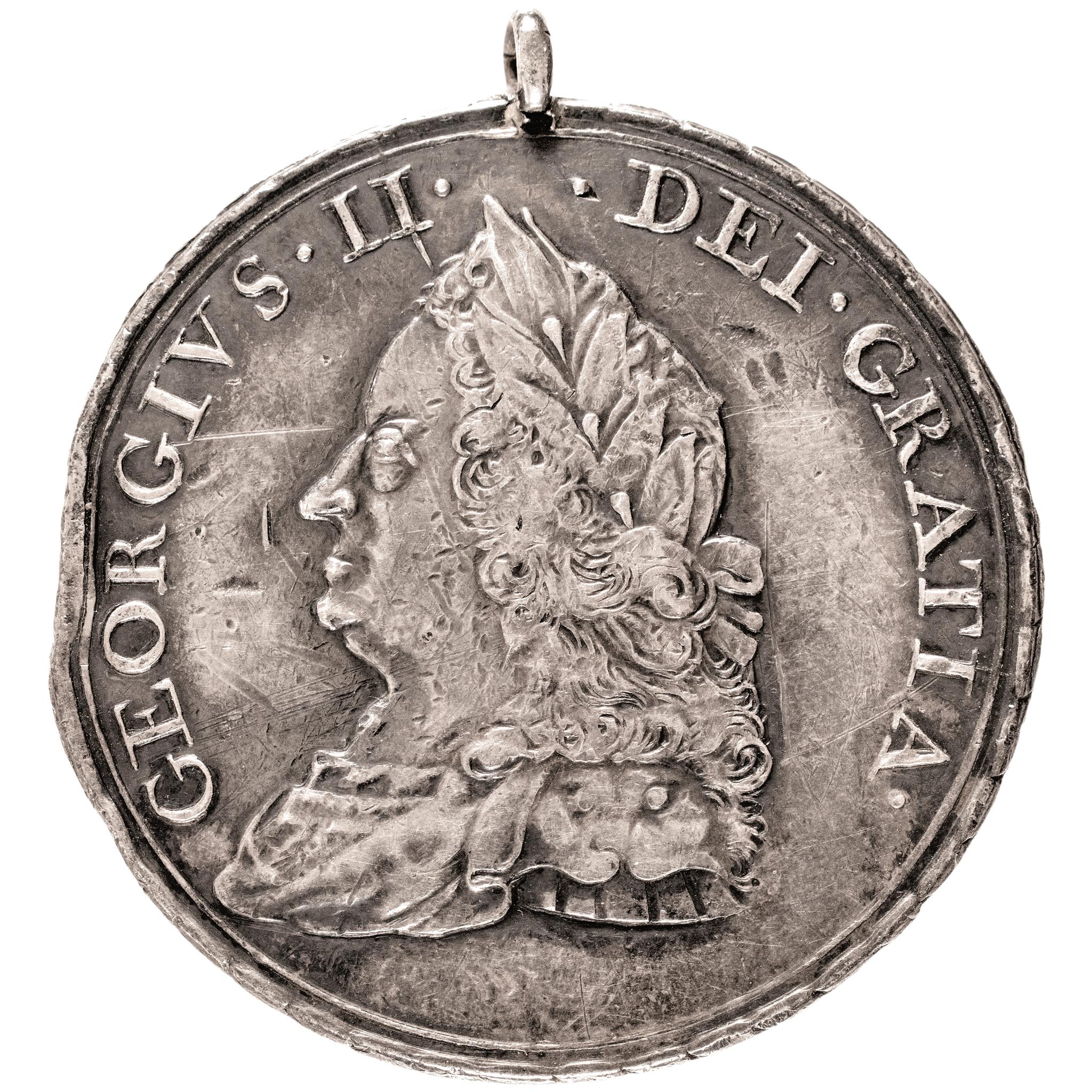
The dies for this historic early American engraved-and-struck medal were engraved by Edward Duffield and made for the Society of Friends (Quakers) in Philadelphia. Of these first American medals, only 54 were struck in 1757 by Philadelphia silversmith Joseph Richardson, Sr. Twelve Silver medals were “Awarded” on the occasion of the Signing of the “Treaty of Easton” in 1758.
FRANCIS BERNARD, NEW JERSEY’S FORGOTTEN GOVERNOR SERIES – Fact #8
A royal charter’s purpose was to create public or private corporations (including towns and cities), and to define their privileges and purpose. It is an instrument of incorporation, granted by the King (King George II in this instance), which confers independent legal personality on an organization and defines its objectives, constitution, rights, and powers to govern its own affairs.
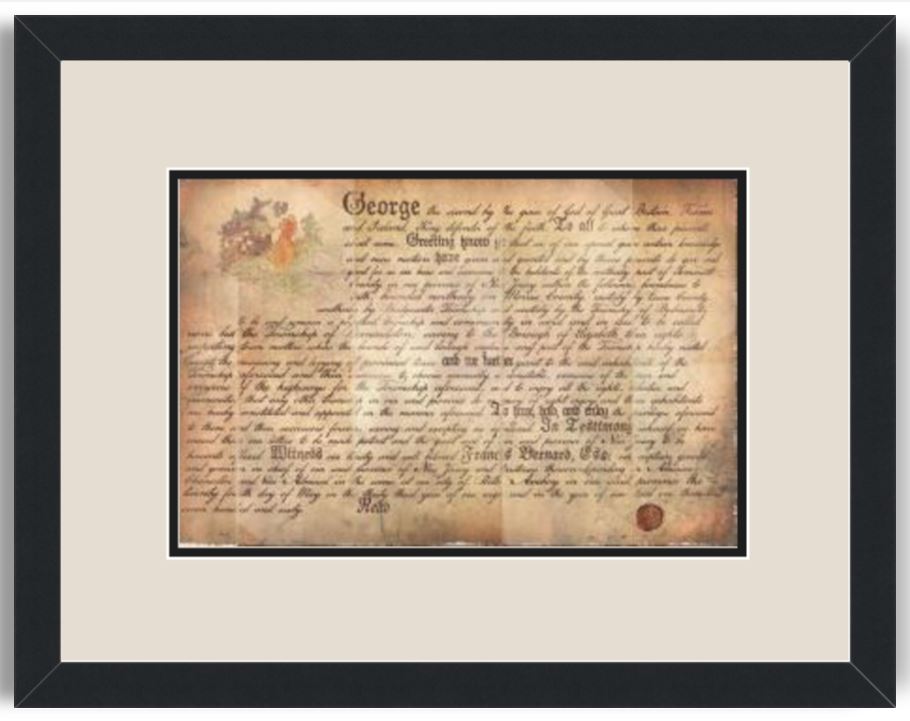
These charters were distinct in that they were commercial enterprises established under the authority of the crown. Proprietary governors had legal responsibilities over the colony as well as responsibilities to shareholders to ensure the security of their investments, as the proprietors were, for the most part, like absentee landlords.
Charter of Bernardston Transcript
“George the second by the grace of God of Great Britain, France and Ireland, King defender of the faith. To all to whom these presents shall come, Greeting know ye that we of our special grace certain knowledge and mere motion have given and granted and by theses presents do give and grant for us our heirs and successors to the habitants of the northerly part of Somerset County in our province of New Jersey within the following boundaries, to with, bounded northerly on Morris County, easterly by Essex County, southerly by Bridgewater Township and westerly by the Township of Bedminster to be and remain a perpetual township and community in word and in deed to be called none but the Township of Bernardston, saving to the Borough of Elizabeth their rights respecting town matters where the bounds of said borough encloses any part of the Township hereby erected except the assessing and levying of provincial taxes and we further grant to the said inhabitants of the Township aforesaid and their successors to choose annually a constable, overseers of the poor and overseers of the highways for the Township aforesaid, and to enjoy all the rights, liberties and immunities that any other township in our said province do or may of right enjoy and these inhabitants are hereby constituted and appointed in the manner aforesaid. To have, hold, and enjoy the privileges aforesaid to them and their successors forever, saving and excepting as aforesaid. In Testimony whereof we have caused these our letters to be made patent and the great seal of our said province of New Jersey to be hereunto affixed.“
Transcript, Charter of Bernardston (Bernards Township, New Jersey). Charter Signed by Francis Bernard Governor of the Province of New Jersey – May 24, 1760.
FRANCIS BERNARD, NEW JERSEY’S FORGOTTEN GOVERNOR SERIES – Fact #9
Sixth child of the Bernard family and one of the four children that came over on the HMS Terrible to Perth Amboy. Graduated from Harvard College and remained in the colonies after his family returned to England in 1769. Thomas was known as his father’s “confidential secretary” and wrote his father’s biography. Life of Sir Francis Bernard (1790). The only known copy of this book is at the British Library.
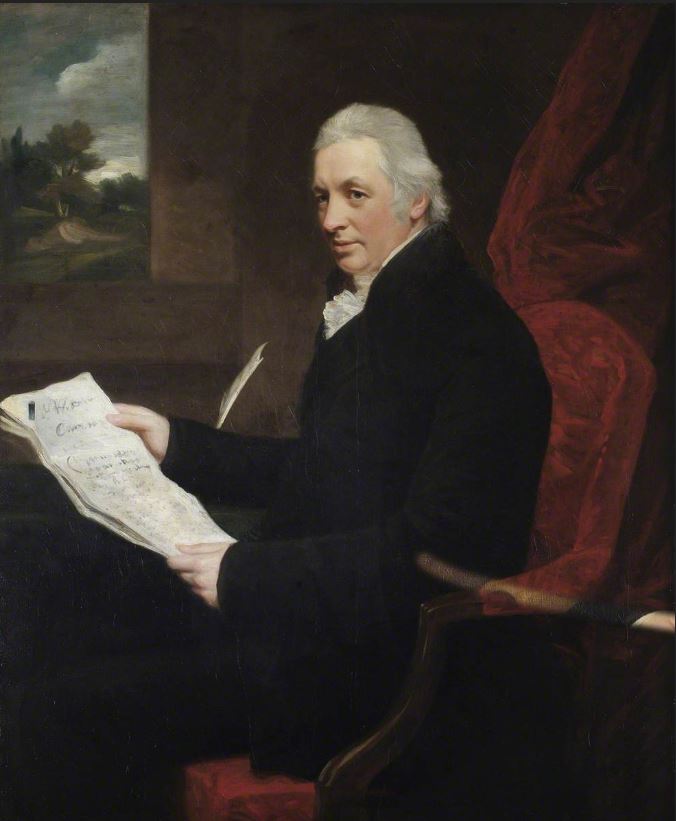
The life of Sir Francis Bernard, baronet, late governor of Massachusetts Bay.
Thomas Bernard, Sir, 1750-1818.
London, 1790. Great Britain England London.
FRANCIS BERNARD, NEW JERSEY’S FORGOTTEN GOVERNOR SERIES – Fact #10
In late 1771, Bernard was bequeathed the manor at Nether Winchendon upon the death of a cousin to whom he had been close since childhood. Nether Winchendon House. Because of his health, Bernard moved later in 1772 to a smaller house in nearby Aylesbury. He died on 16 June 1779, after an epileptic seizure, at Nether Winchendon; his grave is in St Mary’s churchyard, Aylesbury.
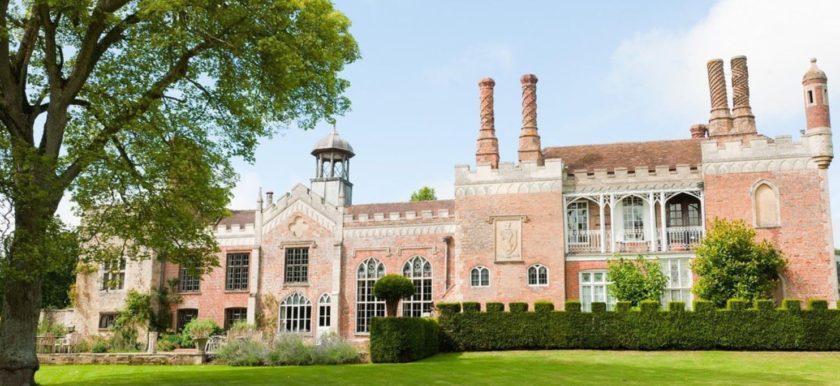
The Mr. Local History Project has had several exchanges with Robert Spencer Bernard, a direct descendant of Sir Francis Bernard and the Bernard family. He stated, “Sir Francis had by that time taken a house in Hampstead, then a village but close enough to London for business and society. The death of his cousin, Jane Beresford (nee Jane Tyringham), in November 1771, brought him to Nether Winchendon as her heir.
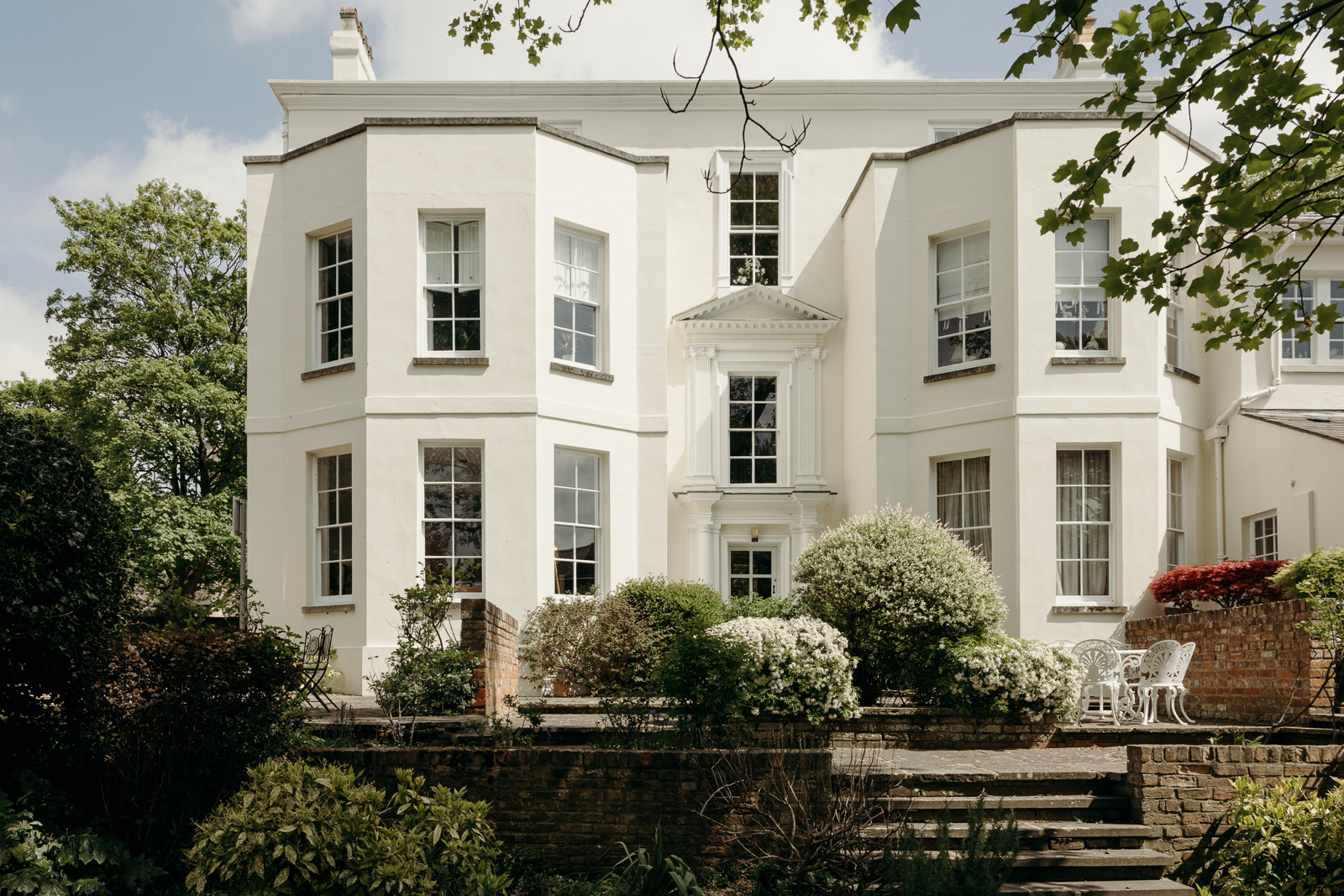
However, ill health and the terrible state of the road to Aylesbury resulted in his taking the Prebendal House next to the west end of St. Mary’s Aylesbury from Sir William Lee of Hartwell (a couple of miles west of Aylesbury). The Prebendal House had earlier been the home of the infamous John Wilkes.
Sir Francis died at the Prebendal shortly after his 68th birthday. He had retained his interest in Nether Winchendon but found Aylesbury more congenial and suitable for journeys to London to sort out his pensions and potential appointments.”
FRANCIS BERNARD, NEW JERSEY’S FORGOTTEN GOVERNOR SERIES – Fact #11
The End for Francis Bernard in the Colonies
HIS EXCELLENCY FRANCIS BERNARD, BARONET OF NETTLEHAM IN LINCOLNSHIRE OLD ENGLAND, sails for London the first fair wind. Nettleham is a little Village, about as far from the City of London, as the Baronet’s Tom Trott of a Country House at Jamaica Pond is from Boston. The People at Nettleham subsist chiefly by carrying garden stuff to Lincoln; Here it may be presumed the (baronet) learnt the little he knows of gardening; but that he should set himself up for an Architect and Politician, is altogether unaccountable.
Boston Gazette on July 31, 1769 told its readers that Gov. Francis Bernard was leaving Massachusetts for good. The published article gave the radical Gazette’s readers plenty of time to prepare for the news that the governor had indeed gone on aboard the HMS Rippon, headed for London. His career in the colonies lasted just over 11 years from his landing in Perth Amboy on June 14, 1758 to leaving Boston on Tuesday, August 1, 1769.
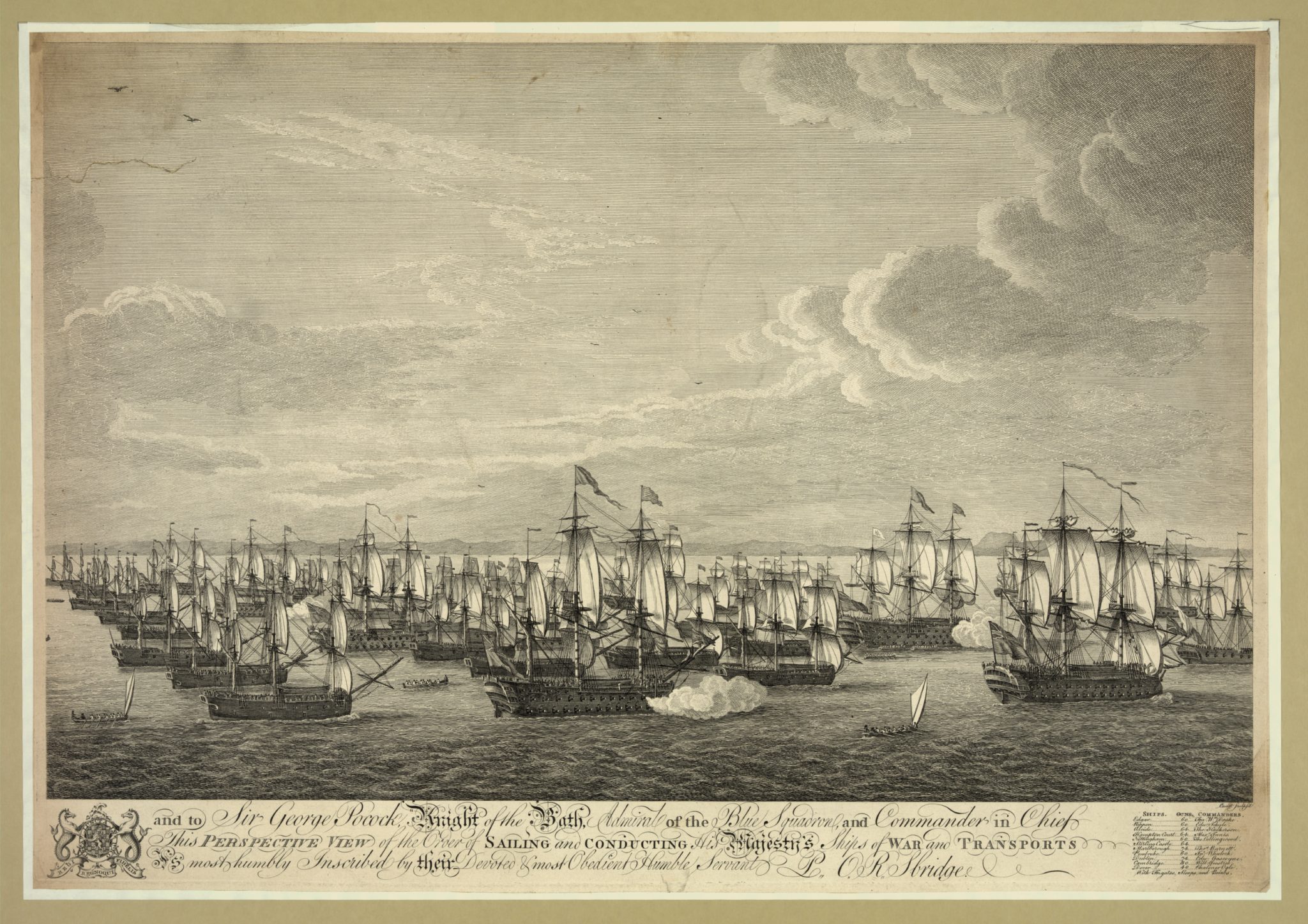
Upon his arrival back in England in September 1769, he was well greeted by “His Majesty and his Ministers” with much kindness and approbation.
FRANCIS BERNARD, NEW JERSEY’S FORGOTTEN GOVERNOR SERIES – Fact #12
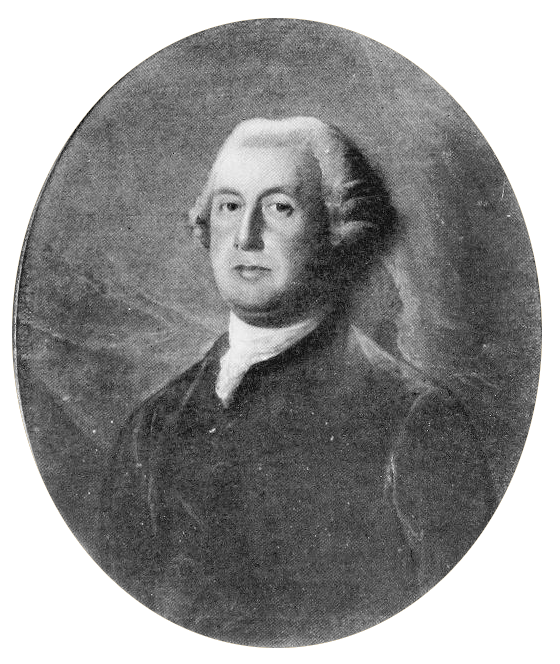
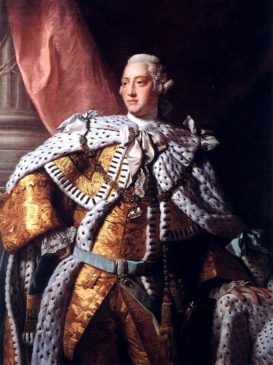
Francis Bernard Awarded Sir / Baronet Status (SIR) – On April 5, 1769, Francis Bernard was awarded the title of 1st Baronet by King George III. A baronet is addressed as “Sir” (just as is a knight) or “Dame” in the case of a baronetess, but ranks above all knighthoods and damehoods. The term baronet has medieval origins in 1328, describing the Battle of Boroughbridge, where baronets took part.
FRANCIS BERNARD, NEW JERSEY’S FORGOTTEN GOVERNOR SERIES – Fact #13
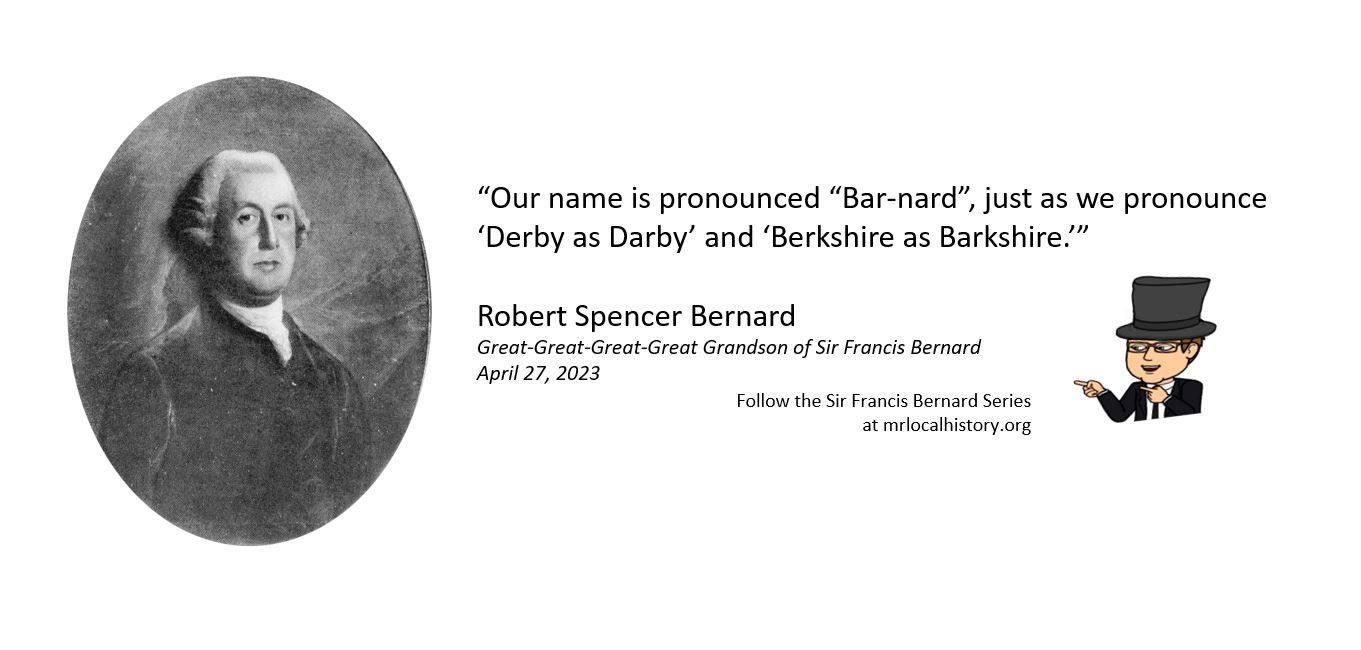
Our name is pronounced “Bar-nard”, just as we pronounce ”Derby” as “Darby” and “Berkshire” as “Barkshire.”
Robert Spencer Bernard
Great-Great-Great-Great Grandson of Sir Francis Bernard
April 27, 2023
MLH Francis Bernard Series

Bernards Township History: The Asian Origins Initiative
Views: 5,886 UPDATE: January 19, 2026 A few researchers at the Mr. Local History Project are looking for a few Chinese and Indian residents interested in tracing the roots of these two growing communities in Bernards Township to the first…

Meet (Sir) Francis Bernard Esq. – New Jersey’s Royal Governor
Views: 10,022 Our curiosity started with a round-table discussion: Who is Francis Bernard, and should there be a statue to recognize his service to New Jersey? Read the story and tell us what you think at the end. It is…

Sir Francis Bernard Honored With American Town Names
Views: 5,781 Sir Francis Bernard’s Legacy Carries On as Towns Honor the Royal Governor of New Jersey and Massachusetts In 1758, Francis Bernard, originally from Lincolnshire, England, was appointed Governor of the province of Nova Caesarea (New Jersey). He packed…
Plenty of Local Ties to Jersey in the Ken Burns Rev War Series
Views: 535 These are a series of posts that provide local insight into Ken Burns’ American Revolution series and its ties to local history, which the Mr. Local History Project has been covering. Here are all six episodes of Ken…

Royal Governor Francis Bernard and the Stamp Act
Views: 443 These are a series of posts that provide local insight into Ken Burns’ American Revolution series and ties to local history that the Mr. Local History Project has been covering. Episode 1, titled “How Land, Taxes and Rebellion…
Thanksgiving Proclamations Way Before Lincoln Did It -Thanks Jersey Guys
Views: 1,623 On October 3, 1863, President Abraham Lincoln designated Thursday, November 26, 1863, as a day of public thanksgiving and prayer. While many recognize President Abraham Lincoln’s Thanksgiving proclamation, many don’t know that two New Jersey statesmen persuaded President…
In Search of the Crest of Sir Francis Bernard
Views: 4,963 In Search of the Official Crest of Sir Francis Bernard, the Royal Governor of New Jersey and Massachusetts. The towns of Bernards Township and Bernardsville, New Jersey, are named in honor of Sir Francis Bernard, the Royal Governor…

Retrospective: Why Bernardsville was Once Called Vealtown
Views: 13,209 It’s an age-old question, and the internet didn’t know the answer. So the Mr. Local History Project went digging. Why was Bernardsville once called Vealtown? Our research began with a post on social media, because, yes, there are…

Flag Honors Bernards Township’s History & Available for First Time in 64 Years
Views: 14,915 For the First Time in 64 Years, Fundraiser offers an Exclusive, Large Bernards Township Flag Made by the Annin Flag Company, the world’s largest and most prestigious flag maker. For the first time since 1960, an original Bernards…

Three Sister Towns Historic Links to Governor Sir Francis Bernard
Views: 5,328 Amid controversy and intrigue, we have been writing for years about a controversial figure in early American history who served the English majesty as the provincial governor of New Jersey and Massachusetts Bay. If you were to define…

New Jersey Provincial Governor – Francis Bernard’s Actual 1758 Job Description
Views: 1,353 Terms and Conditions to the new Provincial Governor if accepted. And YES, Bernard accepted. As the internet grows, so does the information. This piece is a transcribe of what is the job description for Francis Bernard, who was…

Most People Don’t Know The Meaning Behind These Town Names
Views: 7,614 The Mr. Local History Project took a moment out to answer a very simple set of questions, of which we’ve learned many people just didn’t know the correct answer. The Somerset Hills is an area of northern Somerset…

Is it Bernard or Bernards? Hummm
Views: 3,324 The Mr. Local History project often digs into multiple archives looking for evidence of the areas collective past. But this one got us scratching our heads. There is no doubt that Bernards Township is named after Sir Francis…

The Lost Charters of Bernards Township & Bedminster
Views: 15,371 UPDATE: While we wrote this piece years ago, the Bedminster Charter came back in the news on October 21, 2019, when it was announced that the Forbes family was donating the charter back to Bedminster Township. The story…

Recreating the Historic Charter of Bernardston
Views: 8,984 Historic documents often meet their tragic endings swiftly and tragically. In 1850, Bernards Township was known to have had a massive fire at the home of the township administrator, burning all of the township’s documents, including its founding…